
Photo by Markus Spiske on Unsplash
26% of American adults have some sort of disability. Many of these disabilities make it difficult or nearly impossible to navigate digital marketing. Below I’ve detailed a number of ways that your marketing team can make your materials accessible to all.
- Add subtitles to all of your videos. Make sure they appear even if the sound is on.
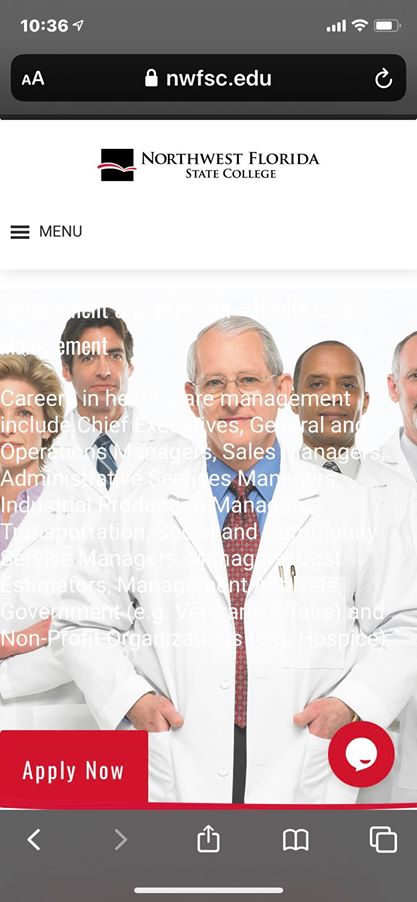
- Don’t use light font on light backgrounds. See an example shared with me at the bottom of this post.
- Include image descriptions. What is an image description?
- Provide easy to find transcripts of any audio.
- Consider using a dyslexia friendly font.
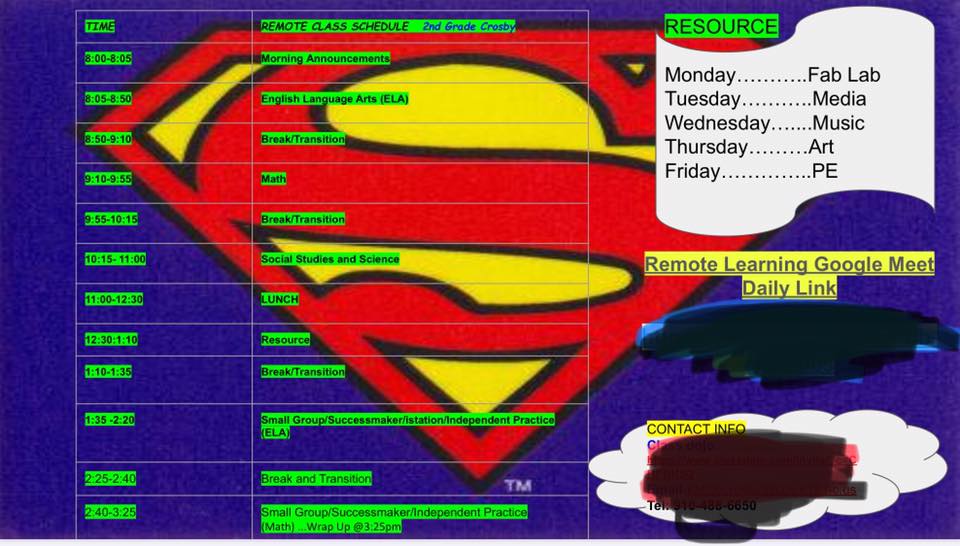
- Avoid using over stimulating design. See an example below from a teacher to their remote students.
- Keep colorblind people in mind when creating graphics. Here’s few tools.
- Avoid sound design that is overwhelming to audio processing disorders.
- Make all materials easy to print.
- Make sure that you materials can be used with popular accommodations software like Read & Write.
- Is your mobile site easy to use for people with mobility issues?
- Double check your word choices. Find alternatives to terms like “tone-deaf”, “tongue tied” and “turning a blind eye”.
Be an Industry Leader
This summer we celebrated the 30th Anniversary of ADA being passed. But there is so much to do before those with disabilities are able to navigate the world without issue. I speak from personal experience.
I have ADD and sometimes I can not get through an important white paper or fascinating blog. I use Read & Write to read web pages to me while I move physically throughout my space. Unfortunately, many websites do not work with these tools. I am not able to use it to read any LinkedIn articles. It works with Forbes if I can handle the constant glitches and starting over. And it works for HBR if you don’t mind it reading the entire column of materials on sales between paragraphs.
As part of my ADD, I have an auditory processing disorder so I struggle with podcast and videos that have especially loud music while someone is speaking, accents, mechanical noises, etc. Yes, I do watch all BBC shows with subtitles on. Its so much better that way.
As marketers, we can do better. How?
Here’s an example from the American’s for the Arts: National Arts Marketing Conference:
- Assign each member of your team a different disability.
- They should research the symptoms and difficulties associated.
- Then imagine a user with this disability trying to navigate your website, social media, and other marketing channels.
- What difficulties did they encounter? What solutions come to mind?
- Research popular accommodations tools and see how they interact with your marketing.
- Make sure that disabled people are represented in your marketing.
Hire disabled people to audit your marketing channels and create a strategy of improvement. If you are in the Chicago area, an organization like JJ’s List will know how to start.
Get company wide disability training. Develop sensitive to situations. An example: Recognize when a sales phone call won’t do. Someone with a speech impairment might prefer to email you rather than talk over the phone. HOWEVER – if someone has a speech impediment and prefers to use the phone, go with it and make them comfortable. Say something like, “Is it okay if I repeat things back to you if I need clarification?” Then respect and follow through on what they advise.
Why I Used the Terms I Did
There has been much discussion about using person first language and terms like “differently abled” rather than “disabled”. I have used terms like “disabled” because of the conversations had in the many groups that I am a part of. These are their (and my) preferred terms and I am honoring that.
 MarketingMichelle